

Ever slipped on a stunning turquoise cuff or a beautifully crafted concho ring from a dusty market, only to find an itchy, red rash creeping up hours later? It’s a frustratingly common story, especially for those of us who adore the rugged charm of Southwestern and Estuarian Cowgirl jewelry.
The good news? A true allergy to pure silver is as rare as a desert rainstorm. So, what’s really going on?
Decoding Your Skin's Reaction to Sterling Silver
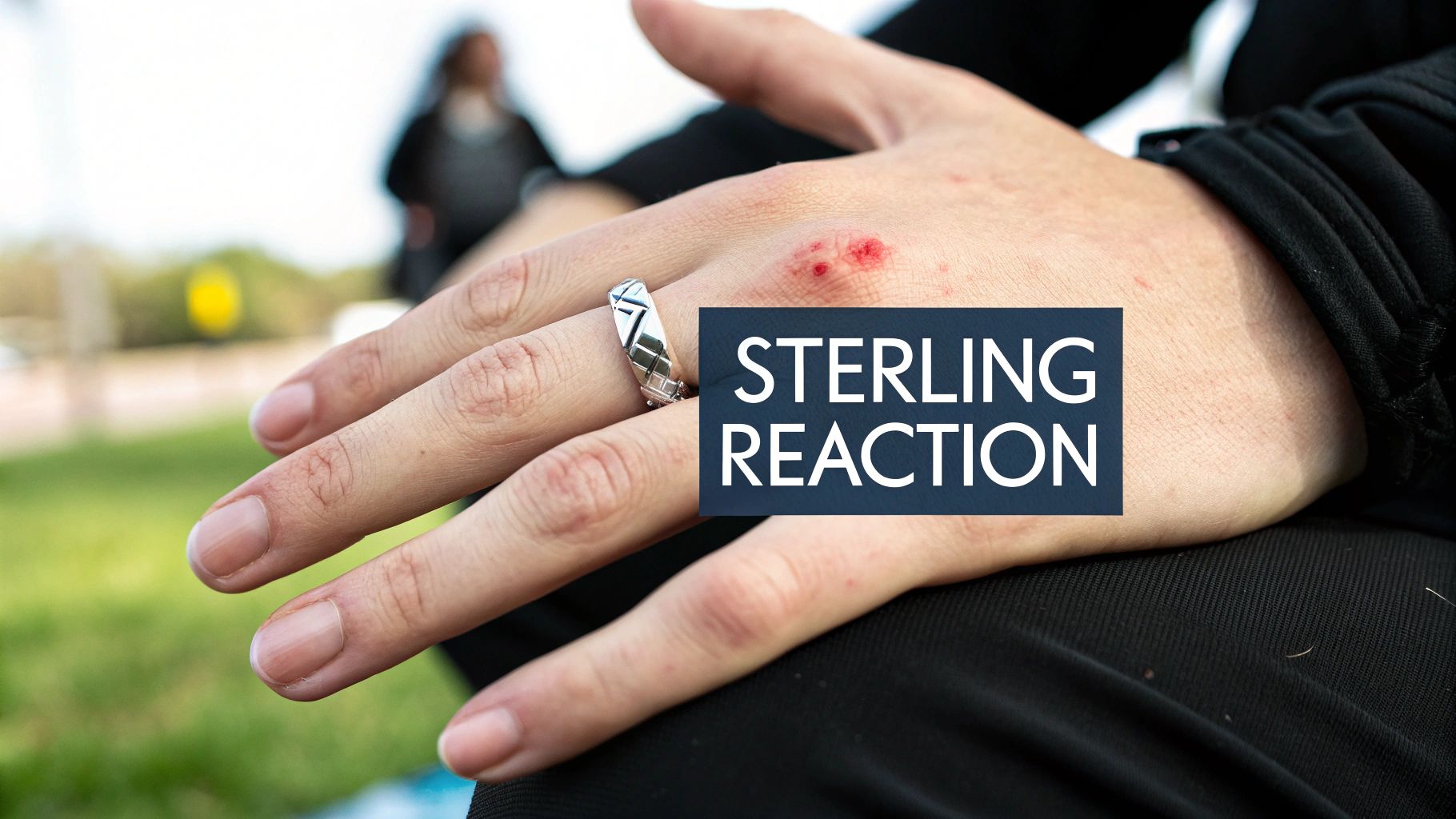
The real culprit almost always lies with the other metals mixed into the piece. Sterling silver, by definition, is 92.5% pure silver and 7.5% other metals—usually copper or, more problematically, nickel. These alloys give your favorite pieces their strength and shine, but they can also be the hidden source of your discomfort.
Think of it like a trusted campfire recipe with an unlisted ingredient. The core element is perfectly fine, but that tiny addition is what causes an unexpected reaction.
Common Signs and Timelines
When your skin flares up, it’s basically launching an immune response to a perceived threat. These sterling silver allergy symptoms, known as allergic contact dermatitis, typically show up within 12 to 48 hours of wearing the jewelry.
The most common signs are a localized rash, redness, relentless itching, and sometimes even small blisters right where the metal touched your skin. For a deeper dive, check out our guide on whether sterling silver is truly hypoallergenic.
Your skin’s reaction is a direct conversation with the metal. Its location and timing are key clues, telling you exactly which piece of jewelry is causing the problem.
To help you quickly figure out what's happening, here’s a simple breakdown of what to look for and when.
Quick Guide to Sterling Silver Allergy Symptoms
This table sums up the classic signs of an allergic reaction to sterling silver, helping you identify the issue based on what you see and when it appears.
| Symptom | Typical Onset | Appearance |
|---|---|---|
| Redness and Rash | 12-48 hours | A distinct red or pink area that perfectly mirrors the shape of the jewelry. |
| Itching | 12-48 hours | Can range from mild to intense, often feeling persistent and uncomfortable. |
| Swelling | 24-72 hours | Minor puffiness or inflammation directly under and around where the jewelry sat. |
| Blistering or Weeping | 48-72 hours | In more severe cases, small, fluid-filled blisters might form on the skin. |
Spotting these signs early can help you pinpoint the problematic piece and take steps to soothe your skin before the reaction gets worse.
The True Culprit Behind Your Sterling Silver Allergy
When a favorite Southwestern silver cuff suddenly leaves your skin red and itchy, it's easy to point the finger at the silver. But in reality, the silver itself is almost never the problem. The real issue is hiding in plain sight, mixed right into the metal.
Think of it like a secret ingredient in a familiar recipe that causes an unexpected reaction. Sterling silver, which you'll see marked with a .925 stamp, is legally defined as 92.5% pure silver. That other 7.5% is made up of different metals, called alloys, added to make the jewelry strong enough for daily wear. Pure silver is just too soft on its own—like untamed clay—so these alloys are necessary, but they can also be the source of all your skin trouble.
Unmasking the Alloy Metals
The most common metal mixed with silver is copper, and thankfully, most people tolerate it just fine. The real troublemaker is usually nickel, another alloy frequently used to harden silver. It turns out nickel is one of the leading causes of allergic contact dermatitis across the globe, triggering those frustrating sterling silver allergy symptoms for anyone who's sensitive.
This kind of metal hypersensitivity is more common than you might think. In fact, roughly 20% of the global population deals with a metal allergy of some kind, and nickel is the number one offender. So, when your skin flares up from a sterling silver piece, it’s your immune system reacting to the nickel or other trace alloys, not the pure silver.
Here's a simple way to look at it: Your immune system acts like a hyper-vigilant ranch dog. When it detects nickel, it mistakenly flags it as a threat and launches an all-out inflammatory response to "protect" you. That defense mechanism is what causes the tell-tale rash and itchiness.
Why One Piece Irritates You and Another Doesn't
The mix of alloys can vary quite a bit, especially with handcrafted or artisan jewelry. This is the exact reason why one sterling silver ring might feel perfectly fine, while a new pair of earrings from a coastal market causes an immediate reaction. A piece with even a slightly higher nickel content is far more likely to set off your sterling silver allergy symptoms.
Understanding this is key for anyone who loves collecting unique, handcrafted jewelry. When you're shopping for your next turquoise treasure, remember that the "sterling silver" label doesn't mean it's nickel-free. Knowing that the choice of alloys makes all the difference is the first step toward building a collection you can wear without worry. For more hypoallergenic options, it's worth exploring the differences between sterling silver vs. stainless steel jewelry.
How to Differentiate a Metal Allergy From Skin Irritation
When your skin flares up after wearing a new piece of jewelry, it’s all too easy to jump to the conclusion that you’re allergic. But before you banish that beautiful piece to the back of your jewelry box, it's important to know that not every red mark or itchy spot is a true allergic reaction. Figuring out the difference between genuine sterling silver allergy symptoms and simple skin irritation is the first step toward finding a real solution.
Think of it this way: a true allergy is your immune system’s over-the-top reaction. It’s like a faulty fire alarm that goes off every time it detects a specific metal alloy—often nickel—mistaking it for a dangerous invader. On the other hand, general skin irritation is more of a mechanical problem. It’s usually caused by friction, trapped saltwater moisture, or a buildup of lotions and sweat under your jewelry.
Spotting the Key Differences
A true allergic reaction, known as contact dermatitis, leaves a very specific clue. It typically creates a distinct, localized rash that perfectly mirrors the shape of the jewelry that caused it. You might find a clear, ring-shaped rash on your finger or the exact outline of an earring on your earlobe. This isn't a one-off event; the reaction will happen every single time you wear that specific piece.
Simple irritation, however, is much less predictable and its appearance is often less defined. It might show up after a long, hot day wearing a heavy turquoise bracelet where sweat and friction simply rubbed your skin raw. This kind of reaction is usually temporary and clears up once you give your skin a break and a little air.
A good rule of thumb is to look at the consistency and shape of the reaction. An allergy is a predictable, patterned response to a specific metal. Irritation is often just a random result of everyday factors like heat, friction, and moisture.
What About Green or Black Stains?
One of the most common—and frankly, alarming—sights for any jewelry lover is finding a dark green or black stain on their skin after taking off a ring or bracelet. It definitely looks bad, but this discoloration is almost never a symptom of an allergy. It’s just a harmless chemical reaction.
This staining is caused by oxidation. It happens when the copper alloy in sterling silver reacts with acids from your sweat, lotions, or even just the humidity in the estuarian air. The tarnish that forms can then rub off onto your skin, leaving behind a temporary mark. While it might be unsightly, it's not an immune response and it will wash off. Learning how to care for sterling silver can go a long way in reducing tarnish and preventing these stains.
To help you quickly figure out what's going on with your skin, we've put together a simple comparison.
Allergy vs. Irritation vs. Tarnish: A Comparison
This table breaks down the key differences between a true metal allergy, simple skin irritation, and the harmless discoloration caused by silver tarnish.
| Issue | Primary Symptoms | Common Cause | Solution |
|---|---|---|---|
| Allergy | Localized rash, intense itching, redness, potential blistering. | Immune system response to an alloy metal like nickel. | Avoid the allergen; switch to hypoallergenic metals. |
| Irritation | Mild redness, soreness, chafing; no distinct pattern. | Friction, sweat, and pressure from heavy jewelry. | Keep skin dry, clean jewelry, and take breaks from wearing the piece. |
| Tarnish Stains | Green or black discoloration on the skin; no rash or itch. | Oxidation of copper in the sterling silver alloy. | Clean your jewelry regularly and keep your skin dry. |
By paying attention to these signs, you can better understand what your skin is trying to tell you and find the right way to keep wearing the jewelry you love, comfortably and safely.
Getting to the Bottom of Your Symptoms
Trying to figure out what’s causing a skin reaction on your own can feel like a frustrating guessing game on the open range. Is it the ring? Is it the soap I used? If you’re tired of the guesswork and want a real answer, your best bet is to see a professional, like a dermatologist or an allergist. They can cut through the confusion in a way no at-home experiment can.
Getting a clear diagnosis is a must, especially if you’re serious about building a collection of Southwestern or sterling silver jewelry. Once you know your exact triggers, you can invest in beautiful, high-quality pieces with confidence, knowing you can wear them for a lifetime without a single worry. An expert can also rule out other skin conditions and pinpoint the exact metal that's causing all the trouble.
The Gold Standard: The Patch Test
The most reliable way to identify a metal allergy is a procedure called the patch test. It’s a straightforward and painless process that’s considered the gold standard for diagnosing allergic contact dermatitis.
Here’s how it works: your doctor will apply several small patches to your back. Each patch is loaded with a tiny, controlled amount of a common allergen, including metals you'd find in jewelry alloys like nickel, cobalt, and copper.
Think of the patch test as a police lineup for your immune system. By exposing your skin to all the usual suspects in a safe, controlled environment, your doctor can see exactly which one causes your body to react. It’s the most definitive way to get a confession.
You’ll wear the patches for about 48 hours. After that, you'll head back to the doctor's office so they can be removed and your skin can be checked for any reactions. Some reactions take a little longer to show up, so you’ll likely have one more follow-up a day or two later for a final reading.
The infographic below breaks down the key differences between a true allergy, simple irritation, and a harmless reaction to tarnish.
This guide can help you narrow down the possibilities, but an official diagnosis from a patch test is what truly confirms things. Once you have that confirmation, you'll be empowered to choose your next piece of beautiful jewelry without any hesitation.
Managing Reactions and Caring for Sensitive Skin
When your favorite sterling silver ring suddenly leaves behind an itchy, red rash, your first thought is getting relief—fast. The moment you notice any signs of irritation, the most important thing you can do is gently take the jewelry off. This simple action immediately stops your skin from being exposed to whatever alloy is causing the trouble.
With the jewelry removed, your next step is to calm the irritated skin. A simple cool compress can be a game-changer for reducing redness and soothing that frustrating itch. Just soak a clean cloth in cool water and apply it to the area for 15-20 minutes at a time, a few times throughout the day.
If the itch and inflammation are a bit more stubborn, an over-the-counter hydrocortisone cream (1%) can bring targeted relief. Applying a thin layer directly to the rash helps quiet down your immune system’s over-the-top response, managing the discomfort while your skin starts its healing process.
Long-Term Care for Sensitive Skin
After the initial flare-up has calmed down, the goal shifts to making sure it doesn't happen again. The secret to comfortably wearing your beloved sterling silver pieces lies in keeping your skin healthy and creating a buffer between it and the metal.
One of the most effective strategies is to keep the skin under your jewelry as dry as possible. Moisture, whether from sweat or just washing your hands, can speed up the chemical reactions that release irritating metal ions from the alloy onto your skin. Make it a habit to remove your rings and bracelets before you shower, swim, or do the dishes.
Think of your skin as delicate terrain and your jewelry as a constant houseguest. For a peaceful relationship, you need to set boundaries—in this case, a dry, clean environment and protective barriers.
This one small change can make a massive difference. On top of that, keeping your jewelry clean can also help minimize reactions. Our guide on how to clean sterling silver jewelry at home is packed with easy, practical tips to keep your pieces in top shape.
Proactive Steps for Prevention
A few extra preventative measures can mean the difference between leaving your jewelry in a box and wearing it with confidence. These proactive steps are simple but incredibly effective for preventing another rash.
- Apply a Barrier Cream: Before you put on your jewelry for the day, smooth on a thin layer of a fragrance-free moisturizer or a dedicated barrier cream. This creates an invisible shield that minimizes direct contact between the metal and your skin.
- Use Clear Nail Polish: This is a classic trick for a reason! For pieces you already own, a thin coat of clear, hypoallergenic nail polish on any part that touches your skin acts as a physical sealant. It works wonders on the inside of a ring band or the back of earring posts.
- Give Your Skin a Break: It’s tempting to wear a favorite piece 24/7, but giving your skin a rest is crucial. Taking your jewelry off at night allows your skin to breathe and recover, significantly reducing the chances of irritation from constant contact.
Choosing Hypoallergenic Jewelry for Your Collection
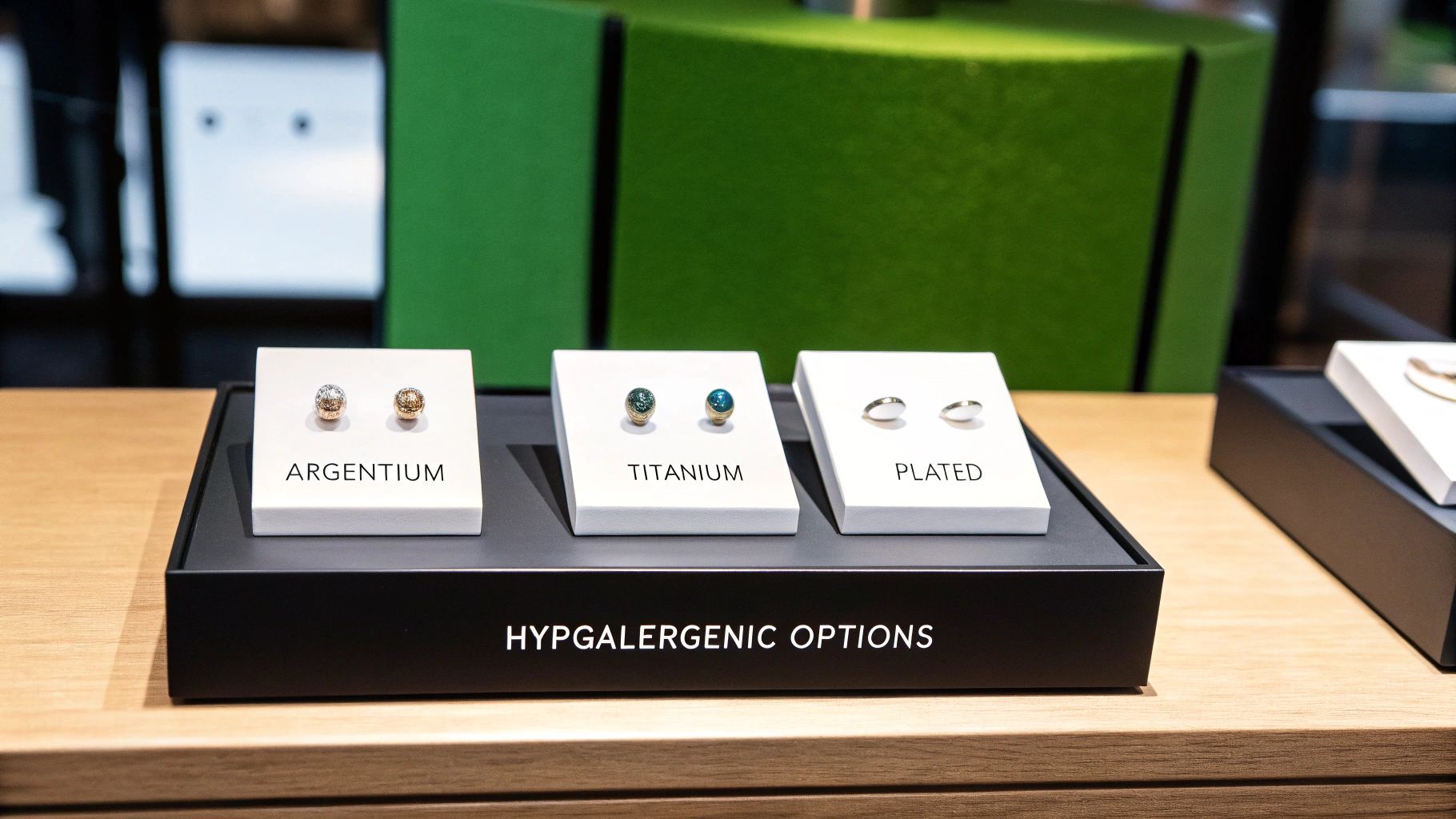
Honestly, the best way to handle a sterling silver allergy is to simply avoid the metal causing the problem. But that doesn't mean you have to give up your love for Southwestern or Estuarian Cowgirl jewelry. It just means you need to be a bit more strategic when you shop.
Building a beautiful, irritation-free collection is all about knowing which metals are your friends. When you understand what your jewelry is made of, you're back in control. You can keep expressing your unique style without worrying about a painful, itchy reaction. This is where your journey to a worry-free jewelry box really begins.
Safe Havens: Hypoallergenic Metal Alternatives
As you build out your collection, you’ll find several metals that offer the look you love without the nickel you're trying to avoid. These alternatives are perfect for anyone with sensitive skin who adores the bold, earthy vibe of Southwestern designs.
Here are some of the best choices out there:
- Nickel-Free Sterling Silver: A lot of artisans today are creating sterling silver that uses copper as the main alloy, leaving nickel out of the mix entirely. Always ask the jeweler if their silver is nickel-free to be sure it’s a safe bet for you.
- Argentium Silver: This modern marvel is a type of sterling that swaps some of the copper for metalloid germanium. The result? A brighter, incredibly tarnish-resistant metal that’s also completely nickel-free.
- Platinum: Famous for its strength and brilliant shine, platinum is naturally hypoallergenic. It’s an amazing choice for those special, heirloom-quality pieces and will never trigger a nickel allergy.
- Titanium: It's incredibly strong, surprisingly lightweight, and biocompatible. In fact, titanium is often used in medical implants for this very reason, making it one of the safest metals for super-sensitive skin.
Protecting Your Existing and Future Pieces
So, what about the jewelry you already own? Or what if you fall head-over-heels for a piece that might not be nickel-free? Don't worry, there are still ways to wear them safely. Creating a protective layer between the metal and your skin can stop those irritating alloys from ever making contact.
Rhodium plating is a fantastic solution here. Rhodium is part of the platinum family, and it's a hard, inert metal that creates a hypoallergenic barrier. Many high-end silver pieces are already rhodium-plated to boost their shine and prevent tarnish, which gives you a built-in layer of protection.
Think of rhodium plating as a beautiful, invisible shield for your skin. It seals the problematic alloys away, allowing you to enjoy the design of the jewelry without experiencing any of the uncomfortable sterling silver allergy symptoms.
At the end of the day, the best prevention is just avoiding the allergen in the first place. Sticking to high-quality, nickel-free sterling silver or stainless steel is a really effective way to stop reactions before they can even start. If you want to dive deeper, you can explore the medical insights on preventing nickel exposure.
When you're shopping for new Southwestern pieces, don't be shy. A good, reputable jeweler will always be open about the metals they use. Asking about nickel content or confirming if a piece is rhodium-plated can save you a world of hurt later, ensuring every new treasure you bring home is a safe and stunning addition to your collection.
Frequently Asked Questions
When you have sensitive skin, stepping into the world of sterling silver can feel like a bit of a minefield. Don't worry, it's a common concern, and we've got straightforward answers to the questions we hear most often.
Can You Suddenly Develop a Sterling Silver Allergy?
Absolutely. It’s surprisingly common to develop a metal allergy at any point in your life, even after you’ve worn a particular piece of jewelry for years without any trouble.
What’s happening is that repeated exposure to an allergen, usually nickel, finally crosses a personal threshold. Your immune system suddenly decides it’s had enough and flags the metal as a threat. So yes, that favorite ring you've worn forever could one day cause a reaction if your body's tolerance changes. It's not the silver itself, but the alloys mixed in for strength.
Is It Possible to Be Allergic to Pure Silver?
A true allergy to pure silver is incredibly rare. For all practical purposes, the answer is no. Silver is a biocompatible metal, which is a fancy way of saying our bodies generally don't see it as a foreign invader.
When someone has a reaction to sterling silver, the real culprits are almost always the other metals in the alloy. The most common offender by far is nickel, but some people can also react to copper.
What Does a .925 Stamp Really Mean?
That little ".925" stamp is your proof of quality. It certifies that the piece is genuine sterling silver, which means it's made of 92.5% pure silver. The other 7.5% is a mix of other metals added to give the silver strength and durability.
But here’s the crucial part: a .925 stamp does not guarantee that the jewelry is nickel-free. The exact metals used in that 7.5% alloy can vary from one jeweler to the next. This is the main reason why one sterling silver piece might be perfectly fine, while another makes your skin react.
Knowing these little details makes all the difference in choosing pieces you can love and wear comfortably. If you have more questions, you'll find a ton of helpful information over on our comprehensive FAQ page.
At Silver Elegant, we believe you should never have to choose between beauty and comfort. We craft our Southwestern-inspired jewelry with high-quality, hypoallergenic materials so you can wear it with confidence. Come explore our collection and find a piece that speaks to you, worry-free, at https://silverelegant.com.